Micobiology Glossary
Microbiology Glossary
Hi, my name is Emmanuelle Paradis-Tremblay, I just started a program in nursing at Montmorency College. I currently have 2 course, microbiology and sociology of health. I made this glossary to help other students in microbiology.
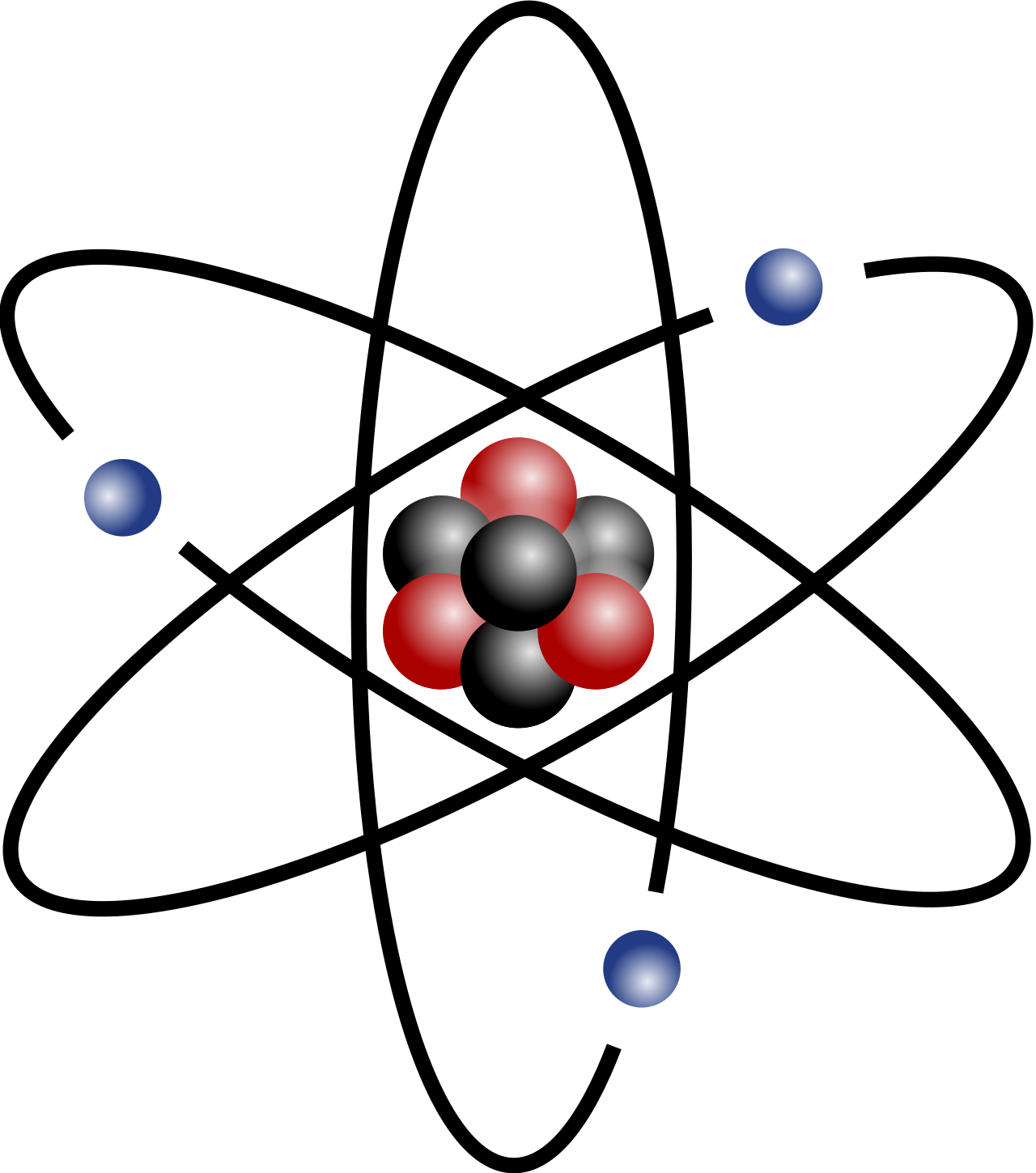
- atom
- noun
- The basic unit of a chemical element.
- Example: During this reaction the Hydrogen ATOM, as well as the pair of electrons from the B-H bond are transferred to the Carbon ATOM of the Carbonyl group.
- fr: atome
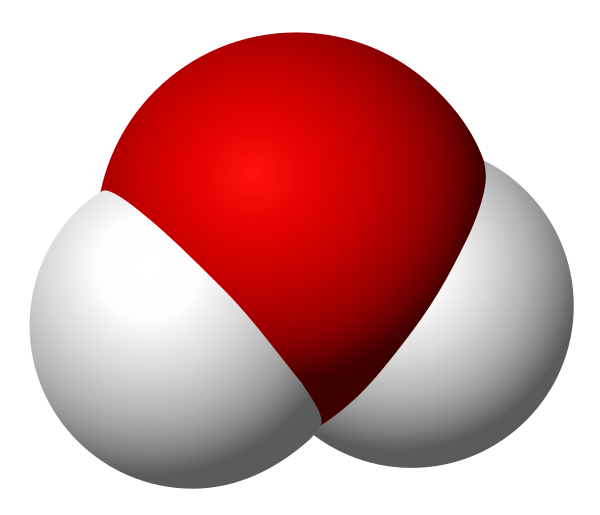
- molecule
- noun
- A group of atoms bonded together, representing the smallest fundamental unit of a chemical compound that can take part in a chemical reaction.
- Example: An important feature of the MOLECULE's structure are the numerous disulfide bonds which do not only connect the Fab and Fc fragments, but also the heavy and light chains.
- fr: molécule
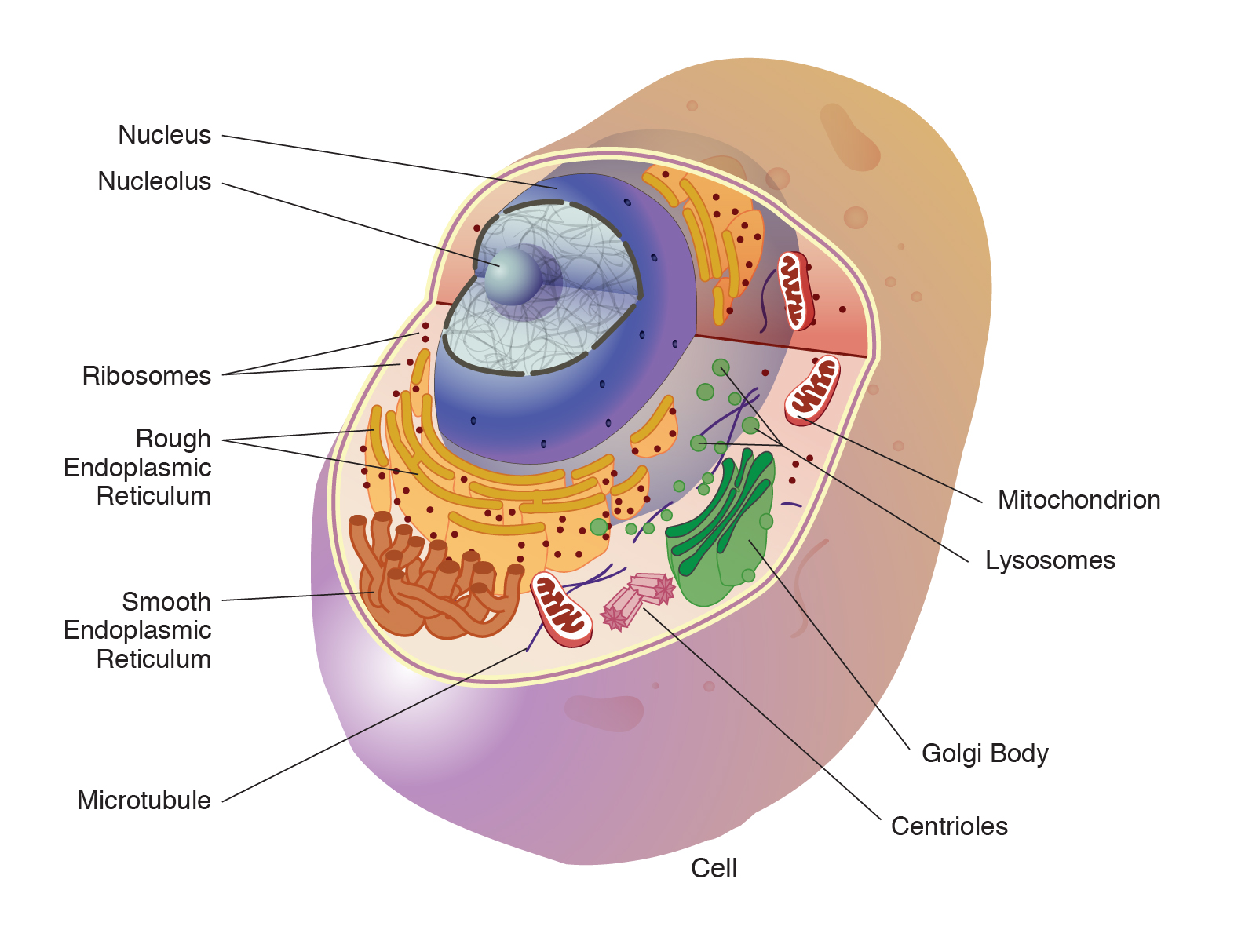
- organelle
- noun
- An organelle is a subcellular structure that has one or more specific jobs to perform in the cell.
- Example: It is a double-membrane ORGANELLE, with a more permeable outer membrane due to the presence of minute channels, which facilitate in transporting ATP (Adenosine Triphosphate) out of the mitochondria to the cytoplasm of the host cell 1 .
- fr: organite
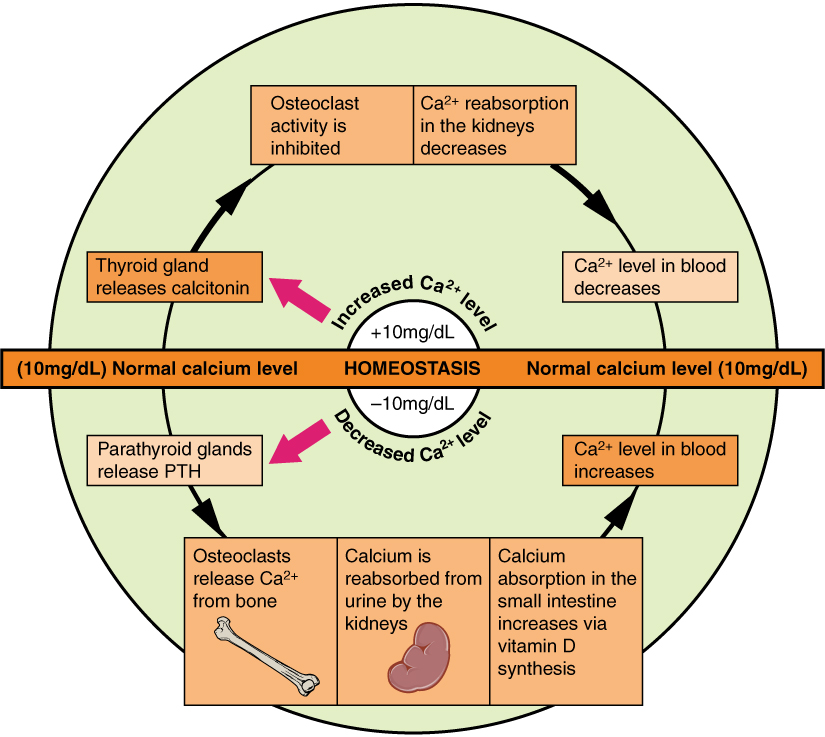
- homeostasis
- noun
- The tendency toward a relatively stable equilibrium between interdependent elements, especially as maintained by physiological processes.
- Example: The process of regulating a stable constant concentration of oxygen within the blood is a form of HOMEOSTASIS.
- fr: homéostasie
- infection
- noun
- The invasion and growth of germs in the body.
- Example: Molecular disease does not arise due to INFECTION from a microorganism, although some viruses can induce a mutation leading to the molecular disease cancer.
- fr: infection

- immune system
- noun
- A complex network of cells, tissues, organs, and the substances they make that helps the body fight infections and other diseases.
- Example: As previously stated, antibodies play a crucial role in the IMMUNE SYSTEM, defending the body against toxins that enter the bloodstream and countering disease threat posed by microbes and viruses.
- fr: système immunitaire

- microorganism
- noun
- Microscopic organisms existing as single cells or cell clusters that are too small to be seen with the naked eye.
- Example: Molecular disease does not arise due to infection from a MICROORGANISM, although some viruses can induce a mutation leading to the molecular disease cancer.
- fr: microorganisme

- virulence
- noun
- The severity or harmfulness of a disease or poison.
- Example: Growth in amoebae also makes the bacteria more resistant to antimicrobial agents, and alters fatty acids and surface proteins, although it is not known if these affect the VIRULENCE.
- fr: virulence

- bacterium
- noun
- A member of a large group of unicellular microorganisms which have cell walls but lack organelles and an organized nucleus, including some that can cause disease.
- Example: There are still large areas of the BACTERIUM's biology we don't understand, such as it method of transmission, but modern advances in biology are greatly helping researched to take great leaps forward in solving some Helicobacter pylori mysteries.
- fr: bactérie

- fungus
- noun
- Any of a group of spore-producing organisms feeding on organic matter, or the fruiting body of such an organism.
- Example: Many plant-, FUNGUS- and microbe-derived compounds have successfully been shown to inhibit weed seed germination or to promote suicidal germination and several studies have shown crop residues may release weed seed germination inhibitors (Putnam, 1988).
- fr: mycète

- protist
- noun
- A diverse group of mostly single-celled, eukaryotic organisms that do not fit into the plant, animal, or fungus kingdoms.
- Example: A PROTIST is thought to be the cell the bacteria were engulfed by, it is an intermediate cell between prokaryote and eukaryote with no organelles except from a membrane bound nucleus.
- fr: protiste

- parasite
- noun
- An organism that lives on or inside another organism (the host) and feeds at the host's expense, often causing harm.
- Example: Defence mechanisms against parasites and infectious disease There is an interesting and continually evolving relationship that can be seen between the PARASITE and the host, as both develop immunity against each other and the defences raised.
- fr: parasite

- virus
- noun
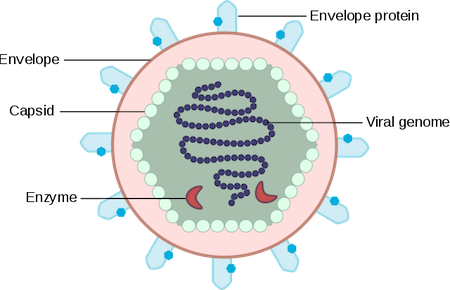
- A microscopic, non-living parasite that infects host cells to reproduce, causing various diseases in humans, animals, plants, and bacteria. Composed of genetic material (DNA or RNA) inside a protein coat, they cannot survive alone and must hijack living cells to replicate.
- Example: Natural killer cells attack VIRUS-infected cells by releasing chemicals to kill them by apoptosis.
- fr: virus

- autotrophic
- adjective
- Organisms, primarily plants, algae, and certain bacteria, that produce their own food by synthesizing organic compounds from simple inorganic substances (like \(CO_{2}\) and water) using light (photosynthesis) or chemical energy (chemosynthesis). Known as producers, they are essential to ecosystems, forming the foundation of the food chain.
- Example: The haustorium gene is believed to have originated from either AUTOTROPHIC, non-parasitic plants or from endophytic organisms, such as, bacteria fungi [Penn State University, 2006].
- fr: autotrophe

- heterotrophic
- adjective
- Organisms that cannot produce their own food and must consume other organisms—plants, animals, or organic matter—for energy and nutrients.
- Example: Margulis postulates that these events have occurred on several occasions, producing various lineages of both HETEROTROPHIC and phototrophic organisms, from which ancestors of animals, plants and fungi have evolved.
- fr: hétérotrophe
- eukaryotic
- noun
- A complex, membrane-bound units of life defined by having a distinct, enclosed nucleus that contains DNA, along with specialized organelles like mitochondria.
- Example: Summary The evidence above strongly suggests that organelles were arisen from the endosymbiotic uptake of free-living bacteria by EUKARYOTIC host cells.
- fr: eucaryote

- prokaryote
- noun
- A microscopic single-celled organism that has neither a distinct nucleus with a membrane nor other specialized organelles. Prokaryotes include the bacteria and cyanobacteria.
- Example: The principle behind this theory is that mitochondria and chloroplasts originated as aerobic, or in the case of chloroplasts, photosynthetic prokaryotes that were incorporated into a larger PROKARYOTE.
- fr: procaryote

- unicellular
- adjective
- An organism that has only one single cell.
- Example: In asymmetric division, a stem cell gives rise to one stem daughter and one daughter that undergoes differentiation (this applies to UNICELLULAR organism and invertebrates), or a stem cell gives rise to daughter cells that have a limited probability of being either stem cells or allocated progenitors (this applies to most mammalian tissues) (Watt, and Hogan, 2000).
- fr: unicellulaire
- multicellular
- adjective
- An organism that is made of many cells, such as plants, animals or fungi.
- Example: Cnidarians are a family of MULTICELLULAR organisms forming animal colonies consisting of former free living cells.
- fr: pluricellulaire

- acellular
- adjective
- Of or pertaining to a tissue that is not made of cells or not divided into cells.
- Example: The tumor cells were arranged in nests, with adjacent ACELLULAR myxoid areas.
- fr: acellulaire

Commentaires
Publier un commentaire